5 Things to Do Before Leaving Dubai

Leaving Dubai is more than just packing your bags—it’s a process that requires careful planning, especially in a country with a unique legal and administrative system like the UAE. Whether you’re returning home, moving to another country, or simply closing a chapter, overlooking key steps can lead to unnecessary fines, visa complications, or even travel bans. To make your exit smooth and stress-free, here are five essential actions you should take before your final departure.
First, make sure to formally cancel your tenancy contract. Even if your lease is ending naturally, Dubai law typically requires a 30-day notice. Failing to follow this procedure may result in losing your security deposit or facing a rental dispute that could delay your visa cancellation. Don’t forget to settle your final DEWA bill and obtain a disconnection certificate—this document is often required by immigration authorities.
If you own a car, decide early whether to sell, transfer, or export it. Leaving a vehicle behind—even if unused—can lead to accumulating fines for parking violations or unpaid Salik tolls. These unpaid penalties can trigger a travel ban that may stop you at the airport. Many expats choose to sell their cars through trusted local platforms to avoid last-minute hassles.
Financial closure is equally important. Close your bank accounts, cancel credit cards, and clear any outstanding personal loans. The UAE’s credit bureau shares data across the GCC, so unpaid debts could affect your financial reputation long after you leave. Always request an official clearance letter from your bank for your records.
If you employ a domestic helper—whether a maid, driver, or nanny—you are legally responsible for their visa status. Abandoning a sponsored employee is a serious offense under UAE law. The best practice is to either cancel their visa properly or transfer sponsorship to another employer. Many departing residents now look for ready-to-transfer domestic staff options to simplify this process.
Finally, don’t leave behind or give away your household items for free. From sofas and kitchen appliances to baby gear and electronics, there’s high demand for quality second-hand goods in Dubai. You can recover a portion of your investment by selling everything in one go. Consider listing your items in the Expat Exit Sale category, where fellow expats actively search for affordable, ready-to-move-in essentials.
By planning ahead and handling these steps responsibly, you protect your legal standing, save money, and leave Dubai the right way—free of loose ends and full of good memories.
V-a fost util acest blog?
0
0
Articole similare

How to Start a Mini Farm in Al Ain
Al Ain, known as the “Garden City” of the UAE, offers a rare opportunity for residents to reconnect with nature—right in the middle of the desert. Whether you dream of growing organic vegetables, raising a few chickens, or simply having a peaceful weekend retreat, starting a mini farm in Al Ain is not only possible but increasingly supported by local authorities. <p data-spm-anchor-id="a2ty_o01.29997173.0.i204.6762c9214Ga
Citiți blogul
Dubai Mall Hits Record Visitor Numbers: A New Era for Tourism Begins
Dubai Mall has shattered records by welcoming over 65 million visitors in the first nine months of 2025 alone—a milestone that underscores its status as a global tourism and retail powerhouse. Far more than a shopping destination, the mall has evolved into a dynamic cultural and entertainment hub that appeals to families, luxury shoppers, and experience-driven travelers alike. Guests can
Citiți blogul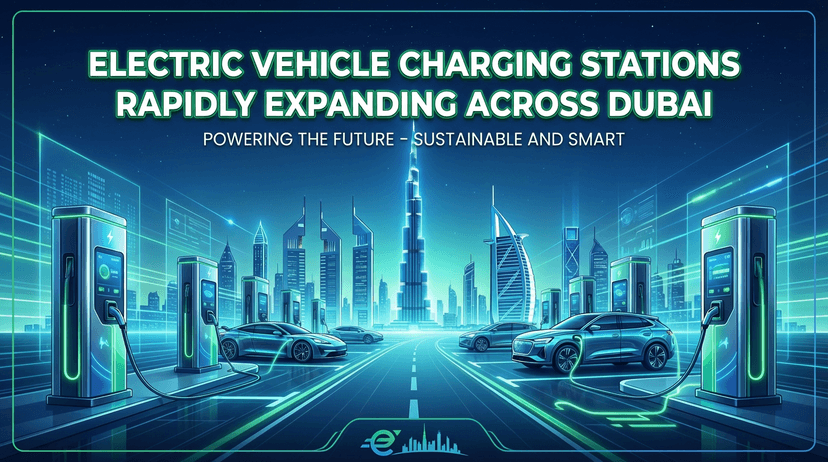
Dubai’s Electric Vehicle Charging Infrastructure: A Strategic Leap Toward a Sustainable Future
Dubai is rapidly advancing its electric vehicle (EV) charging infrastructure as a cornerstone of its broader commitment to sustainable urban development. Spearheaded by the Dubai Electricity and Water Authority (DEWA), the emirate has significantly expanded its public EV charging network, with official statistics revealing a 40% year-over-year growth—surpassing 600 public charging stations across the city. <div class="my-2
Citiți blogul